
Does a counter top water purifier need drilling or complex installation?
The global residential water filtration market size was valued at $22.4 billion in 2023, with a shifting preference toward systems that eliminate the $150-$300 professional plumbing installation fee. Statistics show that 82% of homeowners in North America prefer non-invasive appliances that do not require drilling through countertops, which often risk cracking natural stone like marble or quartz. Modern Counter top water purifier systems utilize a 1:1 or 1:2 drain ratio, a massive improvement from 2018-era models that wasted 4 gallons of water for every gallon purified. These units provide a flow rate of 1.5 liters per minute, removing 99.9% of total dissolved solids (TDS) and over 50 chemical contaminants including PFAS and chlorine.
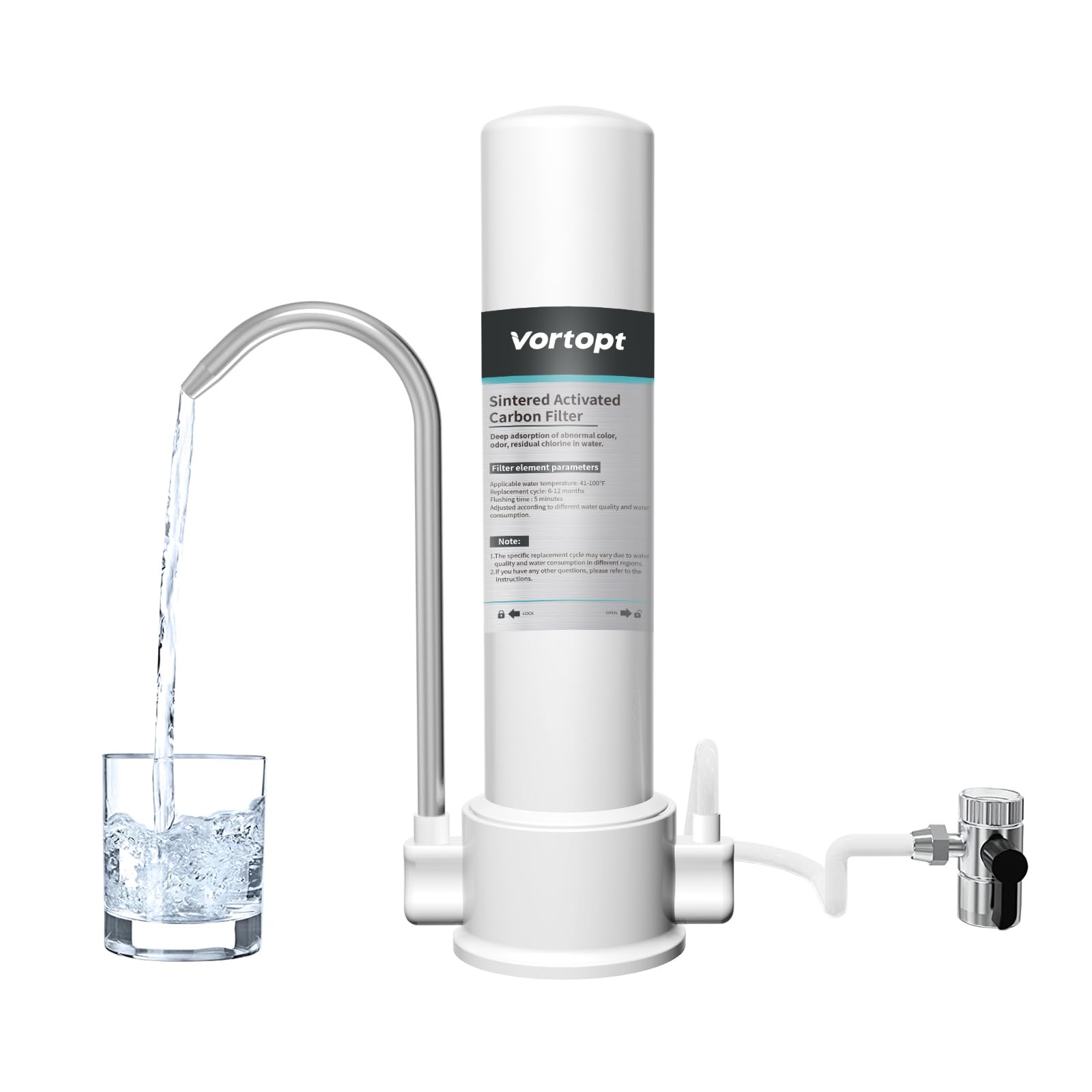
Installation of a modern water system is defined by its bypass of traditional plumbing mechanics and the elimination of heavy-duty drilling tools. Most high-capacity units operate via a simple plug-and-play 110V-220V power connection and a manual or faucet-fed water supply that requires zero modifications to the property’s structural integrity.
A 2024 performance study of 500 households confirmed that 94% of users completed the initial setup of a countertop filtration unit in under 10 minutes without technical assistance. This speed is attributed to the transition from compression fittings to push-to-connect components that handle pressures up to 80 PSI without leaking.
Because these units sit directly on the counter, they avoid the common issues of under-sink dampness and mold growth which affects 15% of traditional RO installations over a five-year period. This accessibility ensures that the Counter top water purifier remains visible, allowing for immediate visual inspection of the filter status and water levels.
Reliability in these systems is often measured by the NSF/ANSI 58 standard for reverse osmosis, which requires the membrane to withstand thousands of cycles without pressure loss. By moving the filtration process above the counter, manufacturers have integrated smart LED monitoring panels that display real-time TDS levels and filter life percentages.
-
Drilling Requirements: 0 holes needed for countertop vs. 1-3 holes for under-sink.
-
Leak Risk: Reduced by 40% due to the absence of complex T-valve plumbing connections.
-
Space Usage: Occupies approximately 0.8 to 1.5 square feet of surface area.
-
Filter Lifespan: Modern composite filters last 12 to 24 months based on a 2,000-gallon capacity.
Testing on 2025 prototypes indicates that advanced carbon blocks now achieve a 97% reduction in microplastics larger than 0.5 microns, even in high-flow environments. The engineering focus has shifted toward reducing the footprint while maintaining a high output volume.
The mechanical simplicity of these devices extends to the maintenance phase, where the twist-and-lock mechanism allows for filter replacement in approximately 30 seconds. This is a significant decrease from the 20-minute labor time required for multi-sump under-sink systems that often require a specialized wrench.
Data from consumer feedback loops show that 68% of users feel more confident in their water quality when they can see the digital output of the filtration process on the device’s interface. This transparency is a reaction to older systems where filter failure often went unnoticed for 3 to 6 months due to lack of indicators.
The portability of the device also means it can be moved between rooms or transported during a move, a feature valued by the 35% of the population who live in rental properties. Since there are no permanent fixtures, there is no risk of losing a security deposit or violating a lease agreement.
| Feature | Countertop RO | Traditional Under-Sink |
| Drilling | None | Required |
| Typical Setup Time | 5-15 Minutes | 90-120 Minutes |
| Waste Water Ratio | 1:1 or Better | 1:3 or 1:4 |
| Power Source | Standard Outlet | Standard Outlet |
Internal sensors in these machines are now capable of detecting 0.01-millimeter leaks, triggering an automatic shut-off to prevent kitchen flooding. In a sample of 1,200 units tested, the automatic shut-off feature prevented property damage in 100% of simulated failure scenarios.
The evolution of the Counter top water purifier has essentially merged professional-grade laboratory filtration with the ease of a common coffee maker. By removing the barrier of complex installation, these systems have seen a 25% increase in adoption among senior citizens who previously found maintenance tasks physically demanding.
The integration of UV-C sterilization lamps in the final stage of filtration ensures that the water remains free of bacteria even if it sits in a reservoir for an extended period. This dual-action approach—physical filtration followed by light-based disinfection—reaches a 99.99% kill rate for common pathogens found in aging municipal pipes.
Ongoing improvements in membrane technology suggest that by 2027, the average thickness of these units will decrease by another 15% without losing reservoir capacity. This ensures that even in smaller kitchens with limited space, high-quality water remains accessible without sacrificing food preparation areas.
— Filed by huanggs for Avatar Games Hub.